Meet your new impact fashion brand
Unkara Foundation Group is a US-registered non-profit organization, 501(c)(3). We offer membership-based services and products for your generous donations.
-

Secret Garden Maxi Dress
Nude Ankara patch work maxi dress with four different Ankara patterns.
-

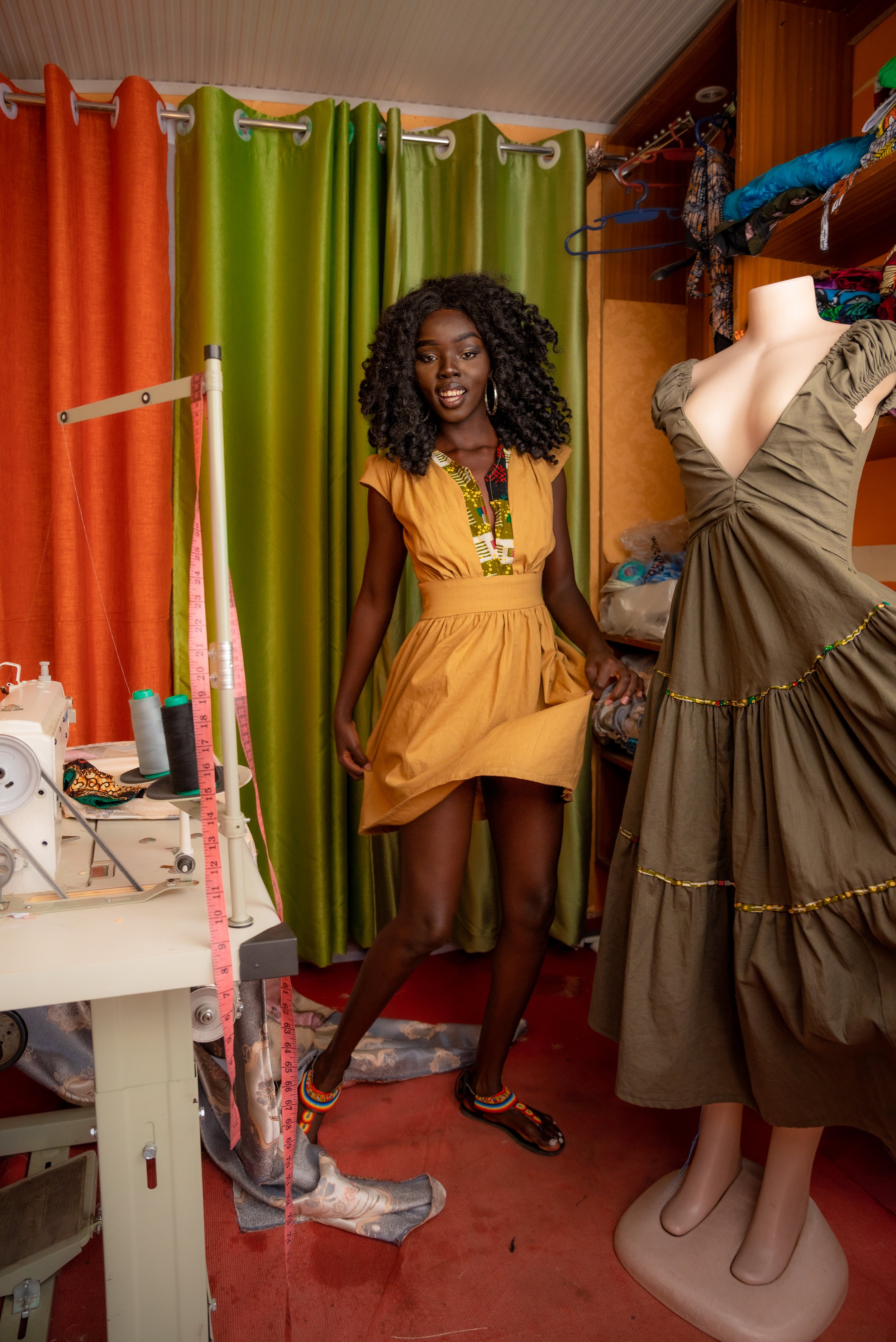
Desert Ride Mini Dress
Linen Mini Dress with a touch of Ankara.
-
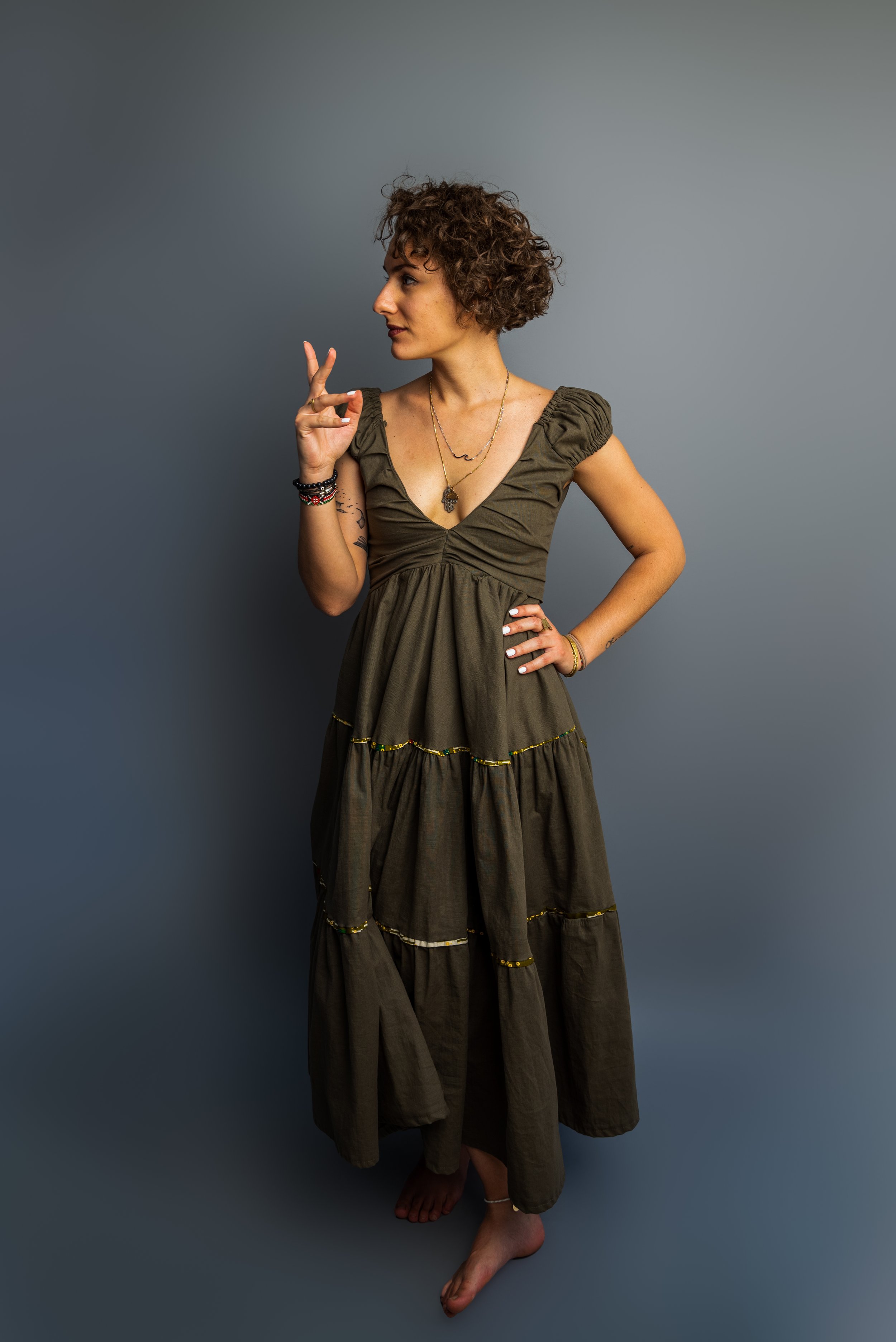
Let's Dance Maxi Dress
Linen Deep V Neck Maxi Dress with with a touch of Ankara.
-

Resilience Mini Kimono
Ankara print short blazer. Ankara print’s uniqueness resides with its deign. It’s hard to replicate the same design from a different year. The best part? You rarely find the same outfit in the market.
-

Spill the Wine Two Piece
Linen two pieces crop top and matching skirt.
-

On the Cloud Two Piece
Linen two pieces v neck crop top and ankle pants with a touch of Ankara.
-

Safari Cocktail Dress
Spaghetti strap linen dress with exchangeable left side tighten strap. Elegant night out with the lower strap tightened or comfortable full length on the beach.
-

Weekend Mood Top
Long sleeve linen top with a touch of Ankara.
-

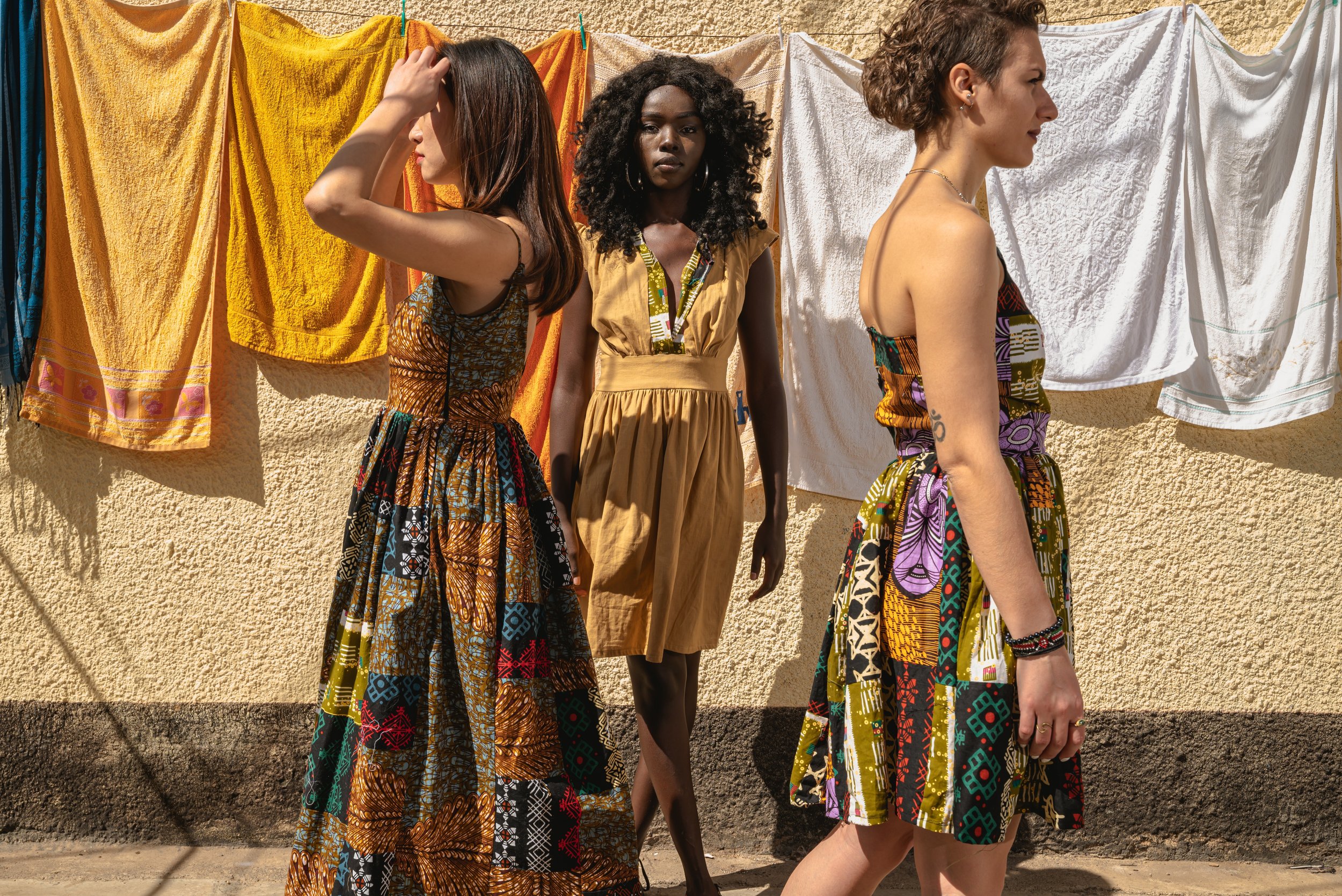
Secret Garden Mini Dress
Nude Ankara patch work mini dress with four different Ankara patterns.
-

Tribal Spirit Dress
Spaghetti strap linen dress with vertical waistline and back strap Ankara decoration.
-

Unkara Earrings
Unkara initial earrings made with leftover shreds from linen clothes and Ankara fabric.

Slow fashion made with value, quality and joy in Africa.

In recent years, luxury fashion brands have drawn some of their inspiration from Africa’s flavorful culture and fashion.
But has Africa been given enough credit for its fashion, innovation and cultural adoption?
Behind the fashion industry, there is a long history of East Africa’s garment manufacturing industry, known for its high quality cotton.
Colonial influences and the rise of “fast fashion” undercut Africa’s textile market and undermine its competitive advantage. Africa has become one of the outlets for tonnes of *millions *of used clothes through donation and import.
The question remains. Who is going to absorb advanced economies textile pollution? Often sweetened in the name of charity.
And what does it take to fix the prevailing throwaway culture in the textile industry?